

When Crisis Strikes, Medical Records Shouldn't Disappear
The PALIF Global Health Passport is a secure, portable, multilingual digital health identity designed to ensure continuity of care for displaced people, wherever they are in the world.
The Health Crisis of Global Displacement
People forcibly displaced glabally, losing access to healthcare continuity.
People live in regions affected by displacementc, conflict or natural disasters.
Outpatient visits each year take place without the patient’s complete record available.
Children Receive zero routine vaccinations, nearly three times the global average.
Healthcare Collapses When People Need It Most
In conflict zones, refugee camps, and low-resource regions, medical records are routinely destroyed, lost, or left behind. Doctors are forced to treat patients without history - increasing risk, causing medication errors, and delaying potentially life-saving care.
Without structured medical continuity, healthcare becomes reactive instead of informed. The absence of reliable records does not just inconvenience patients. It costs lives. The PALIF Health Passport is built to solve this.
Records Destroyed or Inaccessible
Paper files are lost and local digital systems do not travel across borders.
Language Barriers
Lack of translation delays diagnosis and increases clinical risk.
Vaccination Gaps
Missing immunisation records increase risk in crowded humanitarian environments.
Chronic Disease Disruption
Patients with diabetes, hypertension, epilepsy, and other conditions lose continuity of care.
Infrastructure Limitations
Limited connectivity and fragile systems restrict access to reliable records.
Women and Children at Risk
Maternal and pediatric histories are often lost during displacement.
The Global Health Passport transforms healthcare from location-dependent to globally assistive.
Information becomes portable.
Care becomes continuous.
Expertise becomes accessible.
Even when everything else is disrupted
How the passport works?
The Global Health Passport transforms patient stories into structured, secure, and shareable care that moves with the individual across borders, languages, and connectivity gaps. With structured, multilingual medical data:
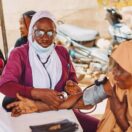
Portable Medical Identity
A structured digital health profile with conditions, medications, allergies, vaccinations, prescriptions, and clinical history that travels with the patient.
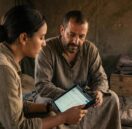
Story to Structured Intelligence
Voice narratives are transcribed, extracted, and converted into clinically usable medical records instantly without losing the context.

Multilingual Access
Patients, volunteers, and doctors work in their preferred language on the same medical record without losing clinical meaning.
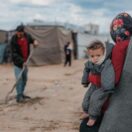
Reliable in Unstable Environments
Using Store and Forward, patient information remains available during outages, conflict, or displacement, and safely syncs once connectivity returns.
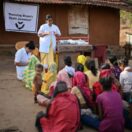
Remote and Cross Border Consultation
Doctors across regions can review cases, provide guidance, and issue digitally signed prescriptions remotely.
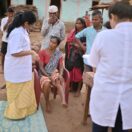
Faster Access and Safer Care
Immediate access to structured health information reduces risk and supports informed clinical decisions.
How the Global Health Passport Supports Crisis and Displacement Settings
Humanitarian healthcare must protect dignity as much as life.
Secure storage and transmission safeguard patient information.
Only authorized providers access relevant medical data.
Privacy, consent, and ethical governance aligned with international standards, including HL7 and FHIR frameworks.
Built to support cross-border data governance in humanitarian environments.
© Copyright PAL Impact Foundation 2026. All Rights Reserved